
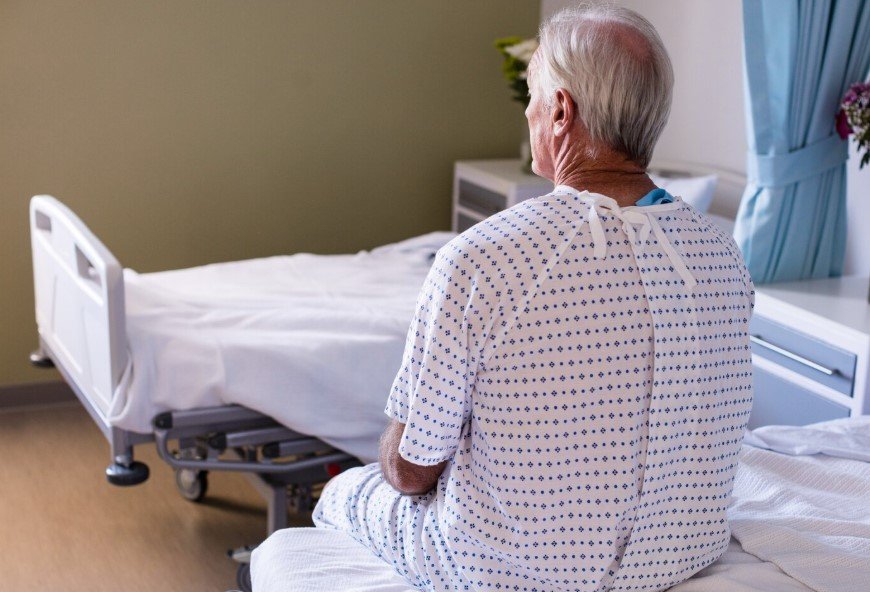
For many older adults, time spent in the emergency department (ED) can be harmful rather than helpful. Loud noises, harsh lighting, prolonged waiting, and unfamiliar surroundings often combine to trigger delirium, confusion, and a sudden decline in physical and cognitive function.
Recent findings published in JAMA show that more than one in five older adults now remain in the ED for longer than eight hours—a figure that has risen sharply over the past decade (Hunt, 2025). Even more concerning, over one-third of older patients are boarded in the ED for more than three hours while waiting for an inpatient bed. This delay exceeds a known safety threshold and is associated with increased mortality risk (Haimovich et al., 2025).
These trends are not just alarming—they are dangerous. For families, clinicians, and healthcare systems, they raise an urgent question: Is there a safer, more effective way to care for older adults before and after an emergency visit?
A Better Approach: Care That Begins at Home
At New Life Home Care, we believe many emergency room visits can be prevented. And when an ED visit is unavoidable, we help ensure a safer and faster transition back home.
As the nation’s leading provider of private home care for older adults, New Life Home Care offers a proven alternative to prolonged or repeated hospital stays, including:
- Rapid in-home support following hospital or ED discharge
- 24/7 caregiver availability, including dementia-trained care teams
- Assistance with medication reminders, hydration, mobility, and daily routines
- A calm, familiar environment that helps reduce delirium and rehospitalization risk
We also partner closely with hospitals and care teams by:
- Supporting stabilization at home after discharge
- Reducing unnecessary return visits to the ED
- Ensuring continuity of care during the critical first 30 days post-discharge
Whether you are a family caregiver focused on safety or a healthcare provider working to improve outcomes and meet CMS Age-Friendly standards, New Life Home Care is here to support you.
Why Emergency Departments Pose Unique Risks for Older Adults
The JAMA analysis highlights several reasons emergency departments can be especially hazardous for aging adults:
- Disrupted sleep and prolonged immobility can trigger delirium, marked by sudden changes in attention and awareness
- Overstimulation, noise, and crowded environments worsen confusion, particularly for individuals with cognitive impairment
- Extended boarding times increase the risk of falls, infections, and pressure injuries
- Hospital bed shortages often lead to delayed admissions and unsafe late-night discharges
(Hunt, 2025; Kennedy et al., 2025)
For individuals living with dementia, even brief ED stays can result in lasting declines in independence and function.
Our Answer: Proactive, Personalized Home Care
New Life Home Care has developed a care model aligned with the principles of Age-Friendly Health Systems and the recommendations of leading geriatric experts.
What sets us apart:
- Rapid Post-Discharge Support: We help stabilize older adults at home within 24–48 hours of ED or hospital discharge.
- Delirium Risk Reduction: Our Balanced Care Method® promotes consistent routines, nutrition, hydration, sleep, and meaningful engagement—key factors shown to reduce delirium risk.
- Emergency Diversion: Trained care teams recognize early warning signs such as confusion, infection, or mobility changes, helping prevent avoidable ED visits.
- Dementia-Specific, 24/7 Care: We specialize in supporting individuals with cognitive changes through calm, consistent care and therapeutic communication.
Partnering With Hospitals and Care Teams
New Life Home Care is a trusted post-acute care partner for discharge planners, geriatric ED programs, and senior living communities. Our services help:
- Reduce 30-day hospital readmissions
- Lower ED recidivism rates
- Support CMS compliance with Age-Friendly Hospital metrics
- Improve patient and family satisfaction
We welcome collaboration with emergency departments, transitional care teams, and hospital-at-home programs to deliver safer, more effective care for older adults—where they do best: at home.